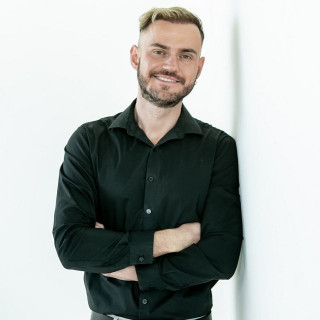
Andrei Solodov

Andrei Solodov

Global Gateway Foundation Inc.
  • Immigration Law
  • U.S. Department of Justice — Executive Office for Immigration Review (EOIR)
Badges
Claimed ProfileOffers Video ConferencingSocial Media
Biography

I am a DOJ/EOIR Accredited Representative authorized under 8 C.F.R. § 1292.1(a)(4) to represent clients in immigration matters before U.S. Citizenship and Immigration Services (USCIS). I practice through Global Gateway Foundation Inc., a DOJ-recognized non-profit organization based in Hollywood, Florida.
My practice focuses on employment-based immigration, including EB-1A (Extraordinary Ability), EB-1B (Outstanding Researchers), EB-2 National Interest Waivers, O-1A and O-1B (Extraordinary Ability and Achievement), L-1A and L-1B (Intracompany Transferees), E-2 (Treaty Investors), and EB-5 (Investor) petitions. I also handle family-based immigration, adjustment of status, RFE and NOID responses, appeals, and motions to reopen or reconsider.
I serve a diverse client base of researchers, executives, entrepreneurs, artists, and professionals across multiple industries, with particular experience in petitions involving Russian and Ukrainian-speaking applicants. I provide services in English and Russian.

Practice Area
Immigration Law
Video Conferencing
  • Zoom
  • WhatsApp
Jurisdictions Admitted to Practice
U.S. Department of Justice — Executive Office for Immigration Review (EOIR)
ID Number: Partial Accreditation — Global Gateway Foundation Inc.
Placeholder image for jurisdictions.
Languages
  • English: Spoken, Written
  • Russian: Spoken, Written
Professional Experience
Founder / DOJ Accredited Representative
Global Gateway Foundation Inc.
Lead a DOJ-recognized non-profit organization dedicated to representing and advocating for immigrant communities. Represent clients before USCIS in employment-based and family-based immigration matters, including EB-1, EB-2, EB-2 NIW, EB-3, O-1, L-1, and family-based petitions, as well as TPS, asylum applications, and adjustment of status. Prepare and file Forms I-140, I-485, I-130, I-129, and related petitions, ensuring strict compliance with USCIS regulations. Conduct in-depth legal research, draft petitions and supporting briefs, and prepare clients for interviews and government proceedings. Maintain compliance with DOJ ethical and procedural standards under 8 C.F.R. § 1003.102, manage case files through professional case management software, and provide ongoing strategic guidance tailored to each client's circumstances.
Immigration Paralegal
MigratePro LLC
Prepare and file immigration forms before USCIS, including Forms I-140, I-485, I-130, I-129, I-129F, I-131, I-539, I-751, I-765, I-918, N-400, and related petitions, ensuring accuracy and full adherence to USCIS guidelines. Develop and manage employment-based cases (EB-1, EB-2, EB-3), O-1 petitions, family-based immigration, Temporary Protected Status (TPS), and asylum-related filings. Conduct detailed legal research to support petition strategy and stay current with USCIS policy memoranda and AAO decisions. Collaborate with attorneys to draft petitions, expert letters, support letters, and legal arguments. Communicate directly with clients to gather documentation, explain process steps, and prepare them for interviews and hearings. Maintain organized case files and track case progress through professional case management software.

Education
Washington Technical Institute
A.A. (2022) | Immigration Law
-
Associate's degree program in Immigration Law focused on U.S. immigration statutes, regulations, USCIS procedures, EOIR practice, family-based and employment-based immigration, asylum and removal proceedings, and the professional standards governing DOJ Accredited Representatives.
Placeholder image for education.
Russian State Social University
M.S. (2011) | Taxes and Taxation
-
Placeholder image for education.
About My Practice FAQs

Immigration Law

Q: How long have you (Andrei Solodov) been practicing immigration law?
A: I have been practicing U.S. immigration law for 6 years as a DOJ/EOIR Accredited Representative through Global Gateway Foundation Inc. Over that time I have handled a wide range of employment-based and family-based matters before USCIS, EOIR, and the BIA, including complex petitions, RFE and NOID responses, and appeals.
Q: How much of your (Andrei Solodov) practice is dedicated to immigration cases?
A: 100% of my practice is dedicated to U.S. immigration law. I do not handle any other legal matters — every case I work on involves USCIS, EOIR, or BIA proceedings, which allows me to stay deeply current on policy memoranda, AAO precedent, and case law in this single field.
Q: What types of immigration cases do you (Andrei Solodov) handle, and how is your practice divided among those cases?
A: My practice focuses primarily on employment-based immigration — EB-1A, EB-1B, EB-2 National Interest Waiver, O-1A, O-1B, L-1A, L-1B, E-2, and EB-5 petitions. I also handle family-based immigration, adjustment of status, consular processing, RFE and NOID responses, AAO and BIA appeals, and motions to reopen or reconsider. The majority of my work is in extraordinary ability and national interest categorie
Q: Do you (Andrei Solodov) particularly focus on representing foreign nationals from a certain part of the world?
A: I have substantial experience representing Russian and Ukrainian-speaking applicants, as well as clients from across Eastern Europe and the former Soviet states. That said, my practice is not limited by geography — I serve foreign nationals from any country pursuing U.S. immigration benefits.
Q: What languages can you (Andrei Solodov) (or your staff) speak?
A: I am fluent in both English and Russian, and I conduct consultations and case work in either language. All filings with USCIS, EOIR, and the BIA are prepared in English, with certified translations provided for any foreign-language supporting evidence.
Q: What are some of your (Andrei Solodov) most memorable successes in immigration cases?
A: Some of my most memorable approvals include an EB-1A petition for a researcher whose work was initially viewed as too narrow in impact, which I rebuilt around independent citation evidence and expert opinion letters to secure approval after an RFE. I have also approved O-1B petitions for artists and beauty industry professionals whose portfolios required careful curation under the "distinction" standard, and EB-2 NIW cases for entrepreneurs whose business plans needed to be reframed under the Dhanasar three-prong test. Each of these wins came from disciplined evidence work rather than reliance on a single strong fact.
Q: What are some challenges or obstacles that you (Andrei Solodov)’ve faced while handling immigration cases, and how have you addressed them?
A: The most common challenge in current immigration practice is the increasing scrutiny USCIS applies at the Final Merits Determination stage — meeting the regulatory criteria is no longer sufficient on its own. Another recurring obstacle is the unpredictability of RFEs and NOIDs, which often raise issues unrelated to the actual strength of the petition. I address both by building each case as a coherent narrative supported by independent third-party evidence, expert opinion letters, and detailed comparative analysis, and by anticipating likely objections during initial drafting rather than reacting to them later.
Q: How do you (Andrei Solodov) help clients prepare for interactions with the government?
A: I prepare each client in advance for every step that involves direct contact with USCIS or a consulate — including biometrics, adjustment of status interviews, and consular interviews. We review the case file together, anticipate likely questions, and ensure the client understands the legal basis of every document submitted on their behalf.
Q: Can you (Andrei Solodov) help a client appeal a decision if they don’t get the desired outcome?
A: Yes. I regularly file appeals to the Administrative Appeals Office (AAO), appeals before the Board of Immigration Appeals (BIA), and motions to reopen or motions to reconsider with USCIS. I also handle responses to Notices of Intent to Deny (NOIDs) and Notices of Intent to Revoke (NOIRs), which can often resolve adverse outcomes before an appeal becomes necessary.
Q: What is your (Andrei Solodov) fee structure?
A: I work on flat fees set at the beginning of each engagement, with the fee determined by the visa category and the complexity of the case. EB-1A, O-1, and EB-2 NIW petitions, for example, require significantly more preparation than a straightforward family-based filing, and the fee reflects that. Clients always know the full cost in writing before any work begins.
Q: Do you (Andrei Solodov) offer payment plans?
A: Yes. My standard payment structure is 50% at the signing of the engagement agreement and the remaining 50% within 90 days. This allows clients to begin case preparation immediately without paying the full fee upfront, while keeping the engagement straightforward and predictable.
Q: What other types of costs might need to be covered beyond your (Andrei Solodov) fee?
A: Beyond my professional fee, clients are responsible for government filing fees set by USCIS, EOIR, or the Department of State, as well as costs for certified translations, document procurement, premium processing (if elected), medical exams for adjustment of status, and any expert opinion letters required to support the petition. All third-party costs are disclosed in advance.
Q: How do you (Andrei Solodov) keep up with the frequent changes in immigration laws and policies?
A: I monitor USCIS Policy Manual updates, AAO non-precedent decisions, BIA precedent, federal court rulings affecting immigration practice, and DHS, EOIR, and Department of State announcements on an ongoing basis. Because immigration law changes constantly through both regulation and policy memoranda, staying current is a daily professional obligation, not an occasional one.
Q: How do you (Andrei Solodov) make the process less stressful and confusing for clients?
A: I explain every step in plain language — in English or Russian — and provide each client with a clear written roadmap of what to expect, what documents are needed, and what timelines are realistic. I keep clients informed of any USCIS action on their case promptly, so there are no surprises and no long stretches of silence.
Q: What can a client do to make the process smoother and improve their chance of success?
A: The single most important thing a client can do is provide complete, accurate, and timely documentation. Responding quickly to my requests for information, keeping me informed of any changes in employment, address, or family status, and being fully transparent about immigration and travel history all directly affect the strength of the petition and the speed at which it can be filed.
Certifications
Comprehensive Overview of Immigration Law
Catholic Legal Immigration Network, Inc. (CLINIC)
Websites & Blogs
Website
Contact & Map
Global Gateway Foundation
4017 Jefferston St
Hollywood, FL 33021
US
Telephone: (786) 425-7899